Technical knowledge and academic qualifications alone do not determine success in today’s competitive business world. One of the most powerful skills that professionals must develop is effective communication. This is where corporate communication skills training plays a vital role.
Strong communication skills help professionals express ideas clearly, collaborate with teams, build relationships with clients, and present their thoughts with confidence. Unfortunately, many employees struggle with workplace communication, which often leads to misunderstandings, conflicts, and missed opportunities, ultimately hindering their career advancement and the overall productivity of the organization.
Corporate communication skills training helps professionals develop the ability to communicate effectively in meetings, presentations, emails, and day-to-day workplace interactions.
Whether you are a student, employee, manager, or business owner, improving communication skills can significantly enhance your professional growth and leadership abilities
What is corporate communication skills training?
Corporate communication skills training is a structured learning program designed to improve professional communication in the workplace. It focuses on helping individuals communicate clearly, confidently, and professionally with colleagues, managers, and clients.
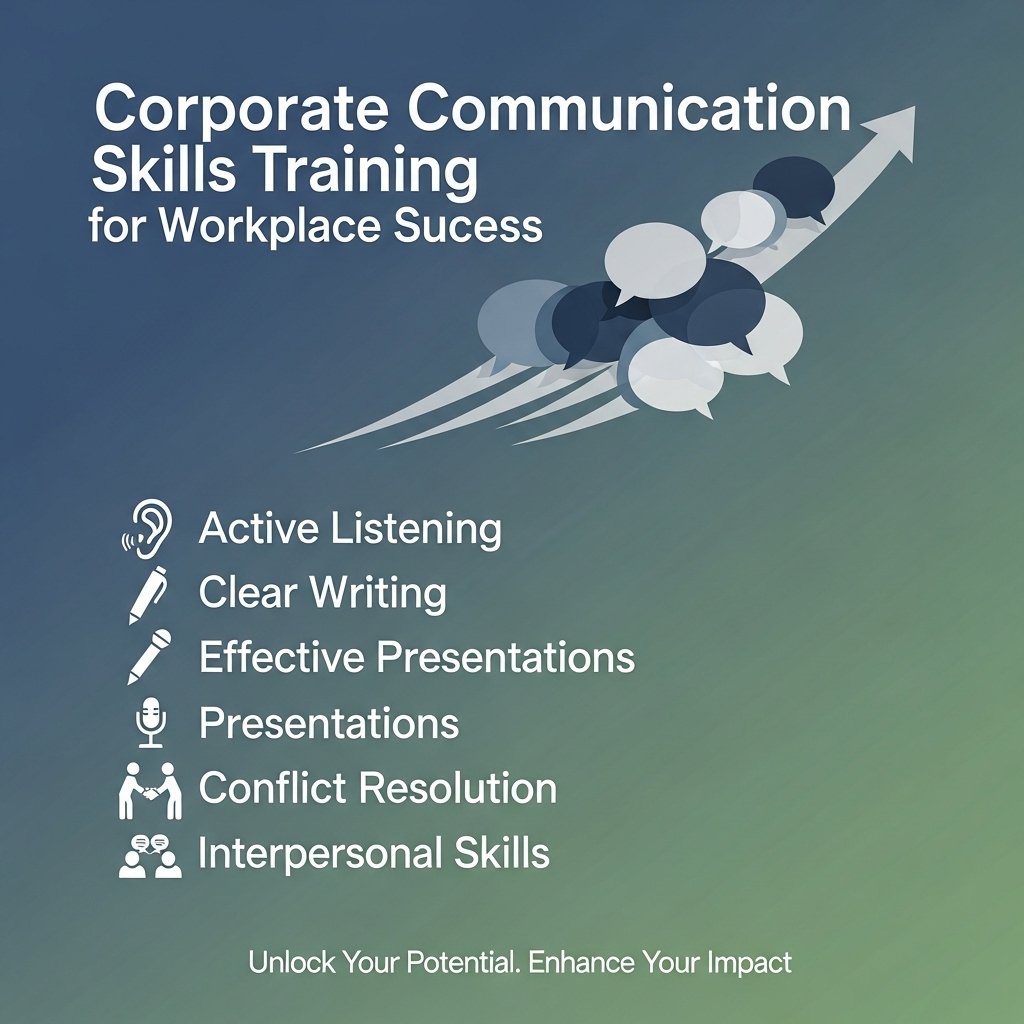
This training covers multiple areas of communication, including
Verbal communication
Non-verbal communication
Business writing
Presentation skills
Active listening
Conflict resolution
The goal of corporate communication skills training is to create confident professionals who can express ideas effectively and build strong workplace relationships.
Why Communication Skills are Important in the Corporate World
In any organization, communication is the backbone of teamwork, productivity, and leadership. Poor communication can create confusion and reduce efficiency, while strong communication improves collaboration and trust, leading to better outcomes and a more cohesive work environment.
Key Reasons Communication Skills Matter
Improves teamwork and collaboration
Builds stronger professional relationships
Enhances leadership abilities
Reduces workplace conflicts
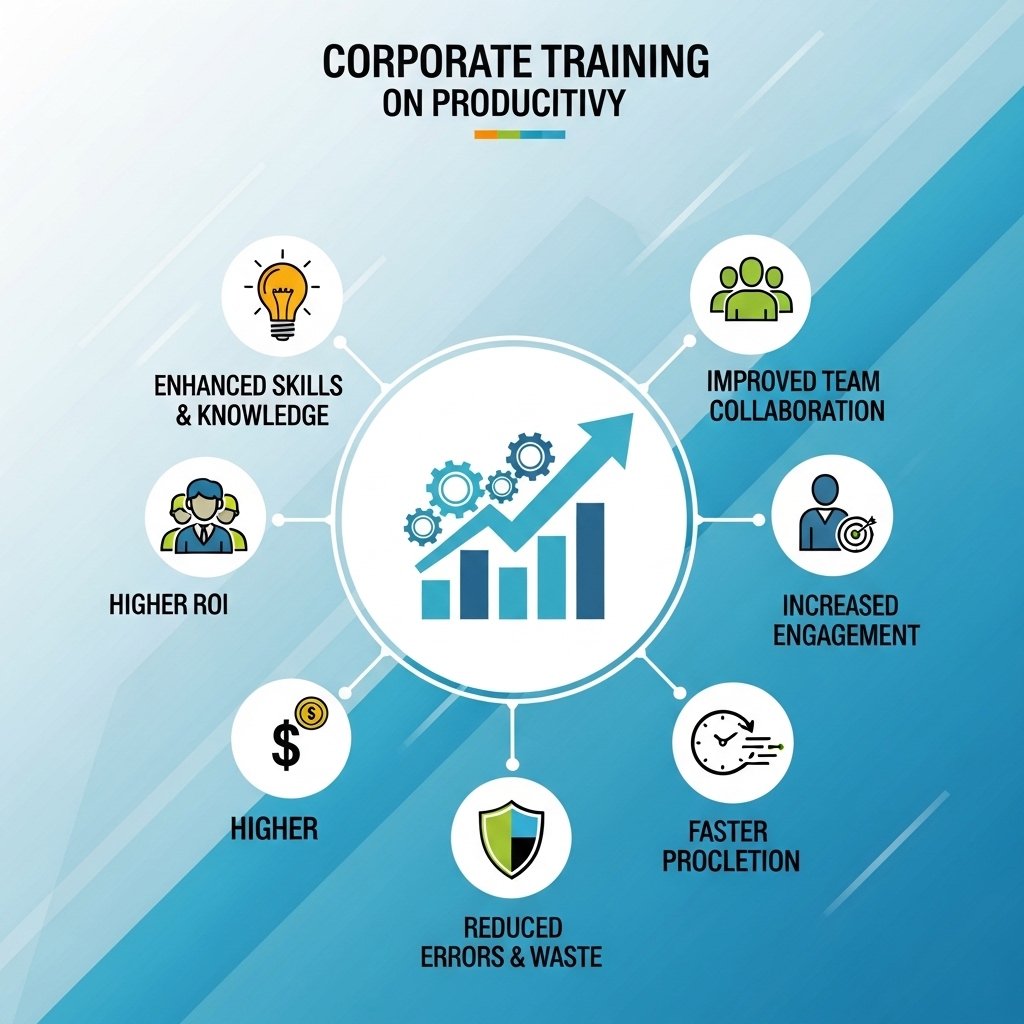
Improves productivity and efficiency
Strengthens client and customer relationships
Organizations that invest in corporate communication skills training often see significant improvements in employee performance and workplace culture, which in turn enhances collaboration, reduces misunderstandings, and fosters a more positive work environment.
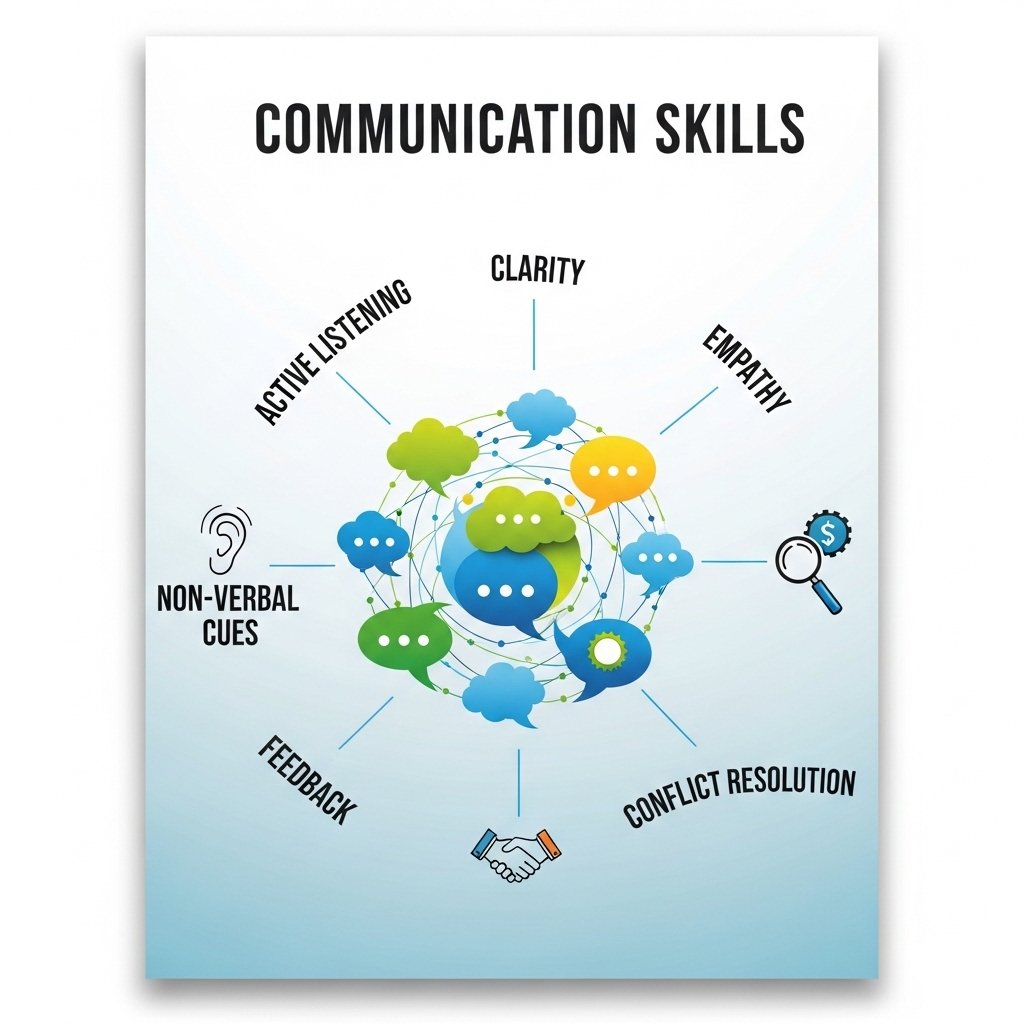
Major Components of Corporate Communication Skills Training
Effective training programs focus on several essential communication areas that professionals need in the workplace.
1. Verbal Communication Skills
Verbal communication refers to the way we speak and share ideas with others.
Professionals learn how to:
Speak clearly and confidently
Structure their thoughts before speaking
Participate effectively in meetings
Communicate ideas persuasively
Improving verbal communication helps professionals become more confident and influential at work.
2. Nonverbal Communication
Communication is not only about words. Body language, facial expressions, and posture also send strong messages.
In corporate communication skills training, participants learn how to use nonverbal communication effectively.
Examples include:
Maintaining eye contact
Using positive body language
Managing facial expressions
Demonstrating confidence through posture
These small changes can greatly improve how others perceive a professional.
3. Professional Email and Business Writing
Written communication is a crucial part of corporate life. Emails, reports, and official messages must be clear, professional, and concise.
Training helps professionals learn:
How to write professional emails
Structuring business messages effectively
Avoiding misunderstandings in written communication
Maintaining a professional tone
Clear writing ensures smooth communication within teams and organizations.
4. Presentation Skills
Presentations are common in corporate environments. Employees often need to present ideas, projects, or strategies to managers and clients.
Corporate communication skills training helps individuals improve their presentation abilities.
Key skills include:
Structuring a powerful presentation
Engaging the audience
Speaking confidently in public
Using visual aids effectively
These skills help professionals make a strong impact during meetings and presentations by enhancing their ability to convey information clearly and engage their audience effectively.
5. Active Listening Skills
Communication is not just about speaking; it also involves listening carefully.
Active listening allows professionals to:
Understand others clearly
Avoid misunderstandings
Show respect and empathy
Build stronger workplace relationships
Learning active listening is an essential part of corporate communication skills training.
Benefits of Corporate Communication Skills Training
Organizations and individuals gain several benefits from investing in communication training.
Benefits for Employees
Increased confidence in workplace interactions
Better presentation and speaking abilities
Improved professional relationships
Stronger leadership potential
Greater career opportunities
Benefits for Organizations
Improved teamwork and collaboration
Higher employee productivity
Better client communication
Reduced workplace conflicts
Stronger leadership development
Companies that invest in corporate communication skills training create a more efficient and positive workplace environment, leading to reduced workplace conflicts and stronger leadership development among employees.
Who Should Attend Corporate Communication Skills Training?
This training is valuable for professionals at every stage of their careers, including entry-level employees, mid-level managers, and senior executives, who all can benefit from improved communication skills.
Ideal Participants
Corporate employees
Managers and team leaders
Business professionals
Entrepreneurs and business owners
Fresh graduates entering the workforce
Students preparing for corporate careers
Early career development of communication skills can pave the way for leadership roles and professional success.
Practical Activities Used in Communication Training
Effective training programs include practical exercises to help participants apply what they learn.
Some popular activities include:
1. Role Playing
Participants practice real workplace scenarios such as client meetings or team discussions.
2. Group Discussions
Group discussions help improve speaking confidence and idea sharing.
3. Presentation Practice
Participants deliver presentations and receive feedback to improve their skills.
4. Communication Games
Interactive activities make learning fun while strengthening communication abilities.
These exercises ensure that corporate communication skills training is practical and impactful.
How Corporate Communication Skills Impact Career Growth
Professionals with strong communication skills often progress faster in their careers.
Communication Skills Help Professionals
Become effective leaders
Influence decisions
Build strong professional networks
Represent organizations confidently
Handle workplace challenges effectively
This is why many successful professionals continuously invest in corporate communication skills training to enhance their abilities.
Conclusion
Communication is one of the most powerful tools for professional success. No matter how talented or knowledgeable a person may be, the ability to communicate ideas clearly and confidently is essential in the corporate world.
Training in corporate communication skills helps people gain the confidence, clarity, and leadership skills they need to do well in today’s workplaces.
By improving verbal communication, presentation skills, listening abilities, and professional writing, individuals can unlock new career opportunities and achieve greater professional growth.
Organizations that encourage communication training also benefit from improved teamwork, stronger leadership, and higher productivity.
Take the Next Step Toward Professional Growth
If you want to improve your workplace communication, leadership presence, and professional confidence, consider joining a structured corporate communication skills training program.
Expert mentorship and practical learning can help you become a more effective communicator and a stronger professional.
Mentor: Narendra Dewangan
Corporate Trainer and Personal Development Coach
Adarsh Nagar, Mowa,
Raipur (C.G.)
Contact: +91-8889918349 | +91-8103616567
Share this post :

Narendra Dewangan, a distinguished motivational speaker and entrepreneurship development trainer. With a focus on personality development, communication skills, and soft skills training, Narendra empowers individuals to reach their full potential.
Popular Categories
Newsletter
Latest Post