In today’s competitive business world, organizations constantly seek ways to improve employee performance and productivity. This is where a corporate trainer plays a crucial role. A trainer helps employees learn new skills, improve communication, develop leadership abilities, and adapt to changing workplace demands.

A skilled corporate trainer does more than deliver presentations—they inspire professionals, improve workplace culture, and build stronger teams. One such mentor dedicated to professional development is Narendra Dewangan, a corporate trainer based in Raipur, working from Adarsh Nagar, Mowa. Through structured training programs, he helps individuals and organizations unlock their full potential.

This guide explains everything you need to know about becoming a corporate trainer, including responsibilities, skills, benefits, and career opportunities.

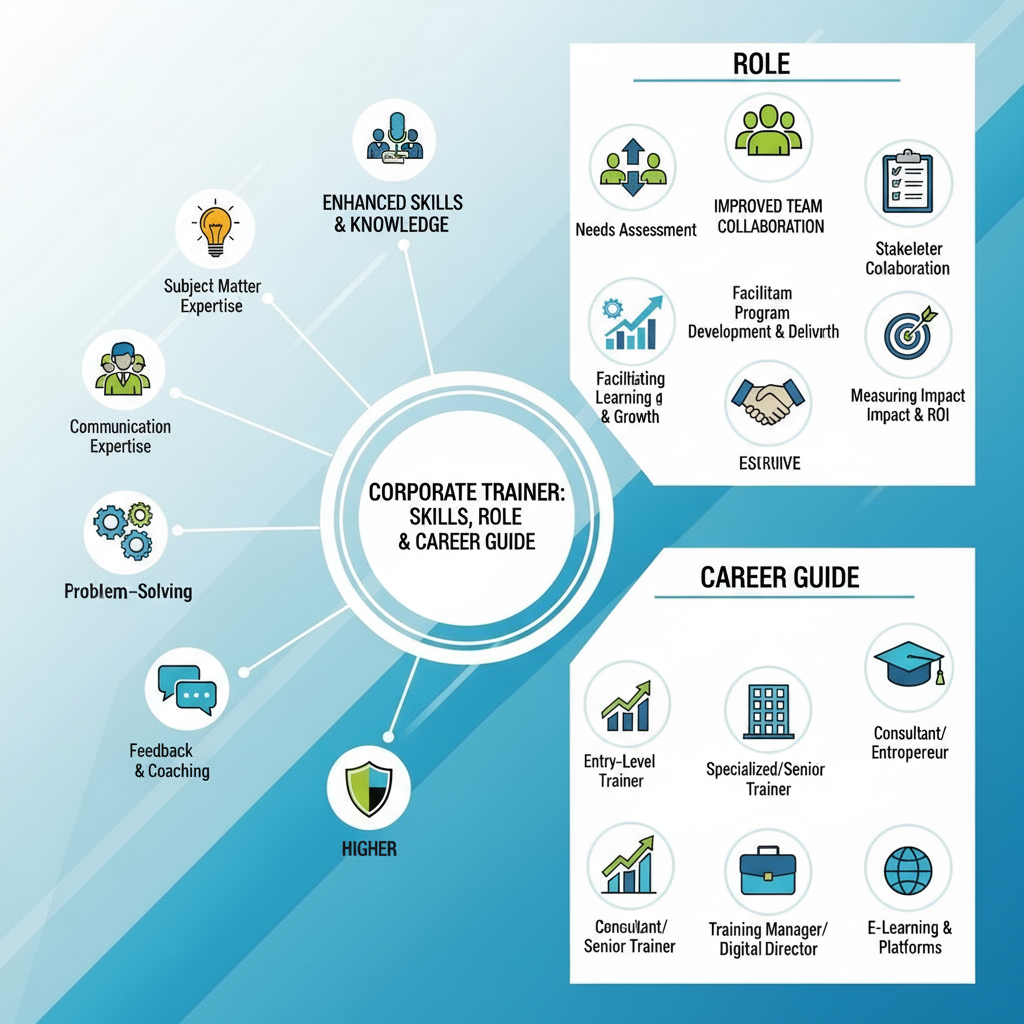
Corporate Trainer: Skills, Role & Career Guide

What Is a Corporate Trainer?

A corporate trainer is a professional responsible for educating employees within a company. Their main goal is to enhance workforce skills, increase productivity, and support professional growth.

Corporate trainers typically conduct:

  • Employee skill development sessions

  • Leadership and management training

  • Communication and personality development programs

  • Sales and customer service training

  • Team-building workshops

Unlike traditional teachers, a corporate trainer focuses on practical workplace skills that employees can immediately apply in their jobs.

Key Responsibilities of a Corporate Trainer

A successful corporate trainer performs several important tasks within an organization.

1. Training Needs Assessment

Before conducting any program, trainers analyze the organization’s needs.

They may:

  • Identify skill gaps among employees


  • Evaluate company goals


  • Design customized training solutions


2. Developing Training Materials

A corporate trainer creates engaging content such as:

  • Presentation slides


  • Training manuals


  • Practical exercises


  • Case studies


  • Role-play activities


These materials help participants understand complex concepts easily.

3. Conducting Training Sessions

The core role of a corporate trainer is delivering interactive sessions that keep employees engaged.

Common training formats include:

  • Workshops


  • Seminars


  • Group discussions


  • Online training programs


  • One-on-one coaching


4. Evaluating Training Effectiveness

After the program, trainers measure results through:

  • Feedback forms


  • Skill assessments


  • Performance improvement tracking


This helps companies understand the impact of the training.

corporate trainer

Essential Skills Every Corporate Trainer Needs

To succeed in this profession, a corporate trainer must possess a combination of technical knowledge and soft skills.

Communication Skills

Clear and confident communication is essential. Trainers must explain concepts in a simple and engaging way.

Public Speaking Ability

A strong presence while speaking to large groups helps maintain attention and influence participants.

Leadership Skills

A corporate trainer guides professionals and helps them become better leaders.

Adaptability

Different organizations have different cultures and needs. Trainers must adjust their methods accordingly.

Emotional Intelligence

Understanding people’s behavior helps trainers motivate employees effectively.

Professionals like Narendra Dewangan emphasize these skills when training individuals and teams in Raipur.

Types of Corporate Training Programs

Corporate trainers specialize in different types of training depending on business needs.

Leadership Development Training

This program prepares employees for managerial roles.

Key topics include:

  • Decision-making


  • Conflict resolution


  • Strategic thinking


  • Team management


Communication Skills Training

Communication is the backbone of every organization.

Training may include:

  • Public speaking


  • Business communication


  • Presentation skills


  • Active listening


Sales Training

Sales teams benefit from learning new techniques to increase revenue.

Topics often include:

  • Customer psychology


  • Negotiation strategies


  • Relationship building


  • Closing techniques


Personality Development Training

This focuses on personal growth and confidence building.

Participants learn:

  • Body language


  • Self-confidence


  • Professional etiquette


  • Time management


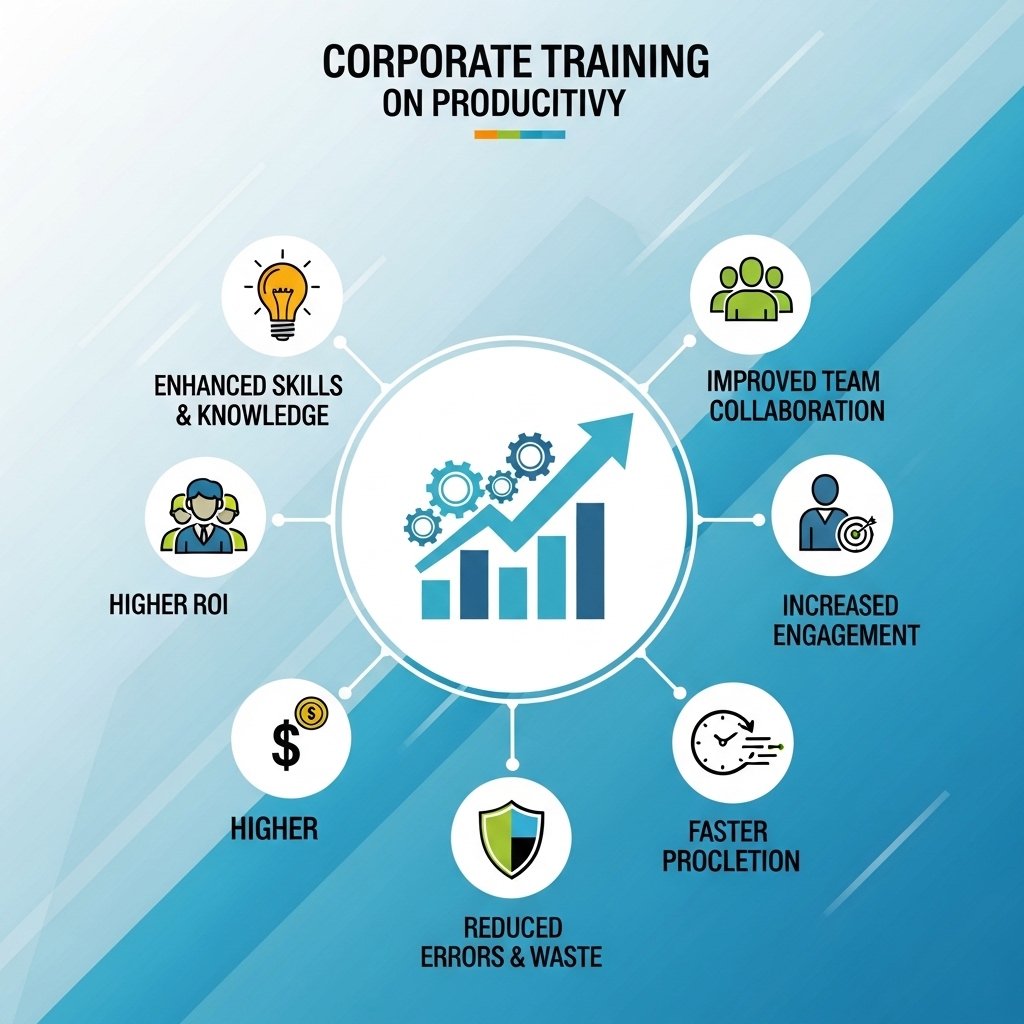
Benefits of Hiring a Corporate Trainer

Organizations invest in corporate training because it delivers measurable results.

1. Improved Employee Performance

Training equips employees with the knowledge and skills needed to perform better.

2. Higher Productivity

When employees understand their roles clearly, productivity naturally increases.

3. Stronger Team Collaboration

Team-building activities encourage better cooperation among employees.

4. Better Employee Retention

Employees who receive professional development opportunities are more likely to stay with the company.

5. Enhanced Workplace Culture

Training programs create a positive and motivated work environment.

Why Corporate Training Is Important in Modern Organizations

The workplace is evolving rapidly due to technology, globalization, and changing business strategies. Organizations must continuously upgrade employee skills to remain competitive.

A professional corporate trainer ensures that employees stay updated with modern skills and industry trends.

Corporate training also helps organizations:

  • Adapt to technological changes

  • Improve leadership pipelines

  • Strengthen customer relationships

  • Foster innovation and creativity

With experienced mentors like Narendra Dewangan, businesses in Raipur are able to build stronger teams and future-ready professionals.

Final Thoughts

A corporate trainer plays a vital role in shaping modern organizations. By improving employee skills, boosting confidence, and fostering leadership, trainers contribute directly to business success.

Whether through leadership development, communication workshops, or team-building sessions, professional trainers help individuals unlock their full potential.

Mentors like Narendra Dewangan, based in Adarsh Nagar, Mowa, continue to empower professionals with the skills needed to succeed in today’s dynamic corporate world.

Share this post :
Picture of Narendra Dewangan
Narendra Dewangan

Narendra Dewangan, a distinguished motivational speaker and entrepreneurship development trainer. With a focus on personality development, communication skills, and soft skills training, Narendra empowers individuals to reach their full potential.

Call Now

Call Now Button